Entering a museum with a list of masterpieces can be useful. The risk begins when that list becomes the measure of every encounter: a room crossed, a name recognised, a photograph collected. The visit starts to resemble an inventory. We know what we have reached; what we have actually looked at is less clear.
The alternative does not require pretending to be an expert. We can choose a work because it intrigues, unsettles or resists an immediate explanation. Staying with something we cannot yet describe means leaving a question open. We need not reach a verdict straight away.
Time belongs to the encounter
MoMA offers a “Slow Looking” itinerary on its website, inviting visitors to observe and return to details. The existence of that route suggests a distinction that extends beyond one museum: access to artworks and the quality of attention are different questions. A ticket lets us enter; it does not determine the pace at which we encounter what is on display.
Our proposal is therefore to allow ourselves an incomplete visit. Not as a rule for everyone, but as a legitimate choice. Visitors who want to explore many rooms can do so; those who prefer to stay with a few works should not feel less serious. Culture loses something when quantity becomes an obligation.
Museums can make room too
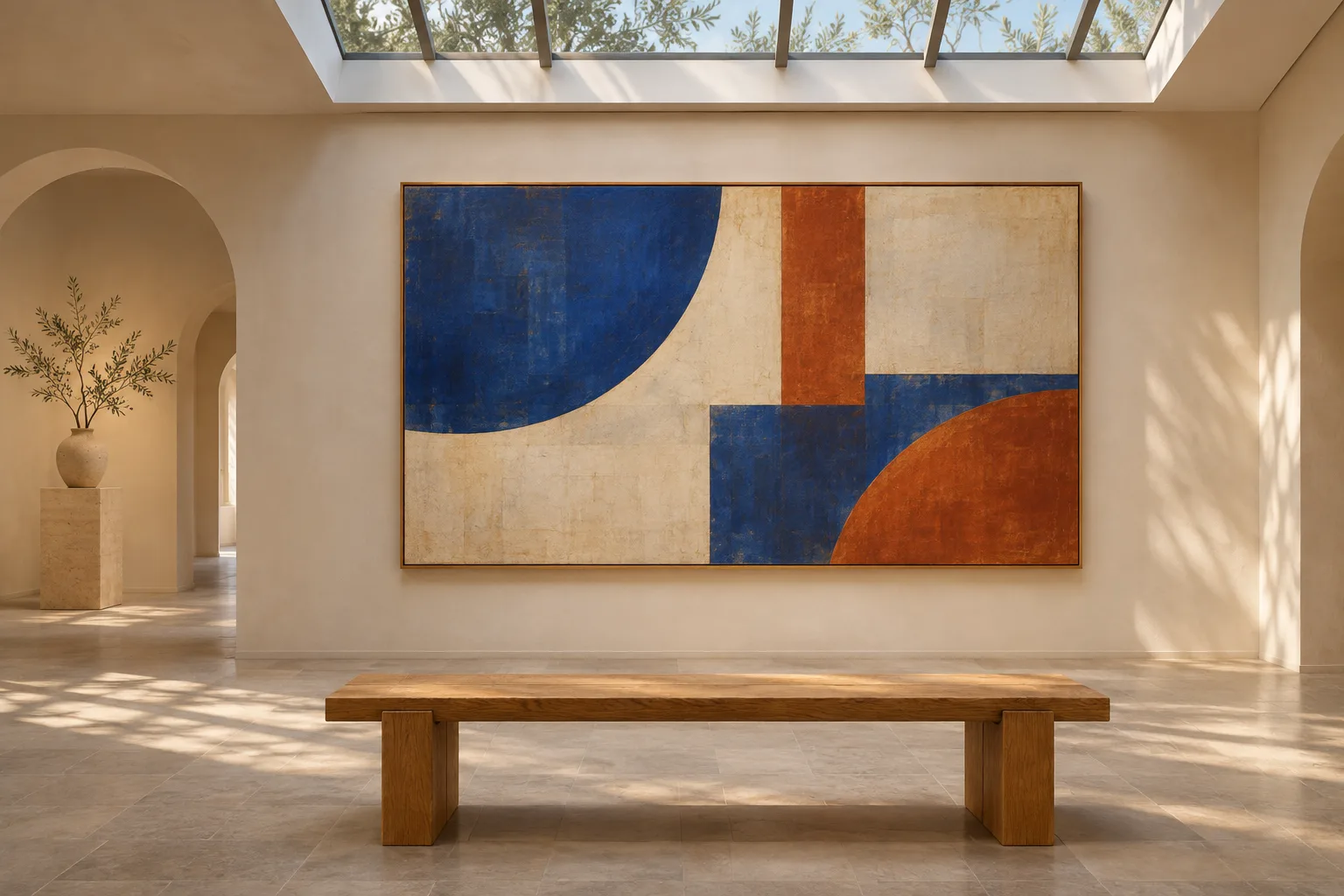
Responsibility does not belong only to visitors. A bench, clear information and routes that allow pauses can make the wish to linger more practical. Asking for attention without providing suitable conditions can instead become exclusionary: people do not all have the same time, opportunities to return or access requirements.
Photographs and wall labels deserve a less rigid approach too. A picture can preserve a memory; an explanation can reveal a detail we had missed. The point is not to prohibit them, but to decide when they serve our encounter with the work and when they replace it.
On leaving, our clearest memory may not be the most famous room. It might be a combination of colours or a form that continues to raise questions. A visit need not exhaust a collection to have value. It may be enough that it leaves us wanting to look again.