International Expos have never been mere commercial showcases, but stages where humanity projects its vision of the future. When the Eiffel Tower was unveiled for the 1889 Paris Exposition, much of the French intelligentsia dismissed it as a "monstrous metal skeleton". Today, it is the undisputed emblem of France and one of the most iconic monuments on the planet. Every Expo attempts to replicate that magic, transforming metal, glass, or even food into the soul of an entire era.
All World Expos (1851 - Today)
From the first historic London event to the latest Asian edition in 2025, here is the complete list of officially recognized Universal Expositions, the host cities, and the years the world stopped to celebrate progress:
- Europe (1851-1937): London (1851, 1862), Paris (1855, 1867, 1878, 1889, 1900, 1937), Vienna (1873), Barcelona (1888, 1929), Brussels (1897, 1910, 1935), Liege (1905), Milan (1906), Ghent (1913).
- Americas & Oceania (1876-1939): Philadelphia (1876), Melbourne (1880), Chicago (1893, 1933), St. Louis (1904), San Francisco (1915), New York (1939).
- Post-War to the New Millennium: Port-au-Prince (1949), Brussels (1958), Seattle (1962), Montreal (1967), Osaka (1970), Seville (1992), Hanover (2000).
- The 21st Century: Aichi (2005), Shanghai (2010), Milan (2015), Dubai (2020/21), Osaka (2025).
Inventions That Changed the World
Expos have been the launchpad for innovations we now take for granted. In Philadelphia (1876), the world first heard the human voice through Alexander Graham Bell's telephone, while the public tasted the first Heinz Ketchup. In Chicago (1893), the first Ferris Wheel in history made its debut. St. Louis (1904) popularized the ice cream cone, while television was introduced to the general public in New York in 1939. The Atomium in Brussels (1958) and the Space Needle in Seattle (1962) still remain undisputed symbols of the atomic and space age.
Great Attendance Records (According to official data from the BIE "Bureau International des Expositions")
While Paris 1900 astonished the world by welcoming nearly 51 million visitors to celebrate the turn of the century, the absolute record belongs to Asia. The 2010 Shanghai Expo holds the undisputed title with over 73 million tickets sold in six months. In second place is Osaka 1970, with an impressive 64 million attendees (in an era when international travel was far less accessible than today). Montreal 1967 also boasted excellent numbers, with nearly 55 million visitors.
Milan 2015: The Case of the Crocoburger
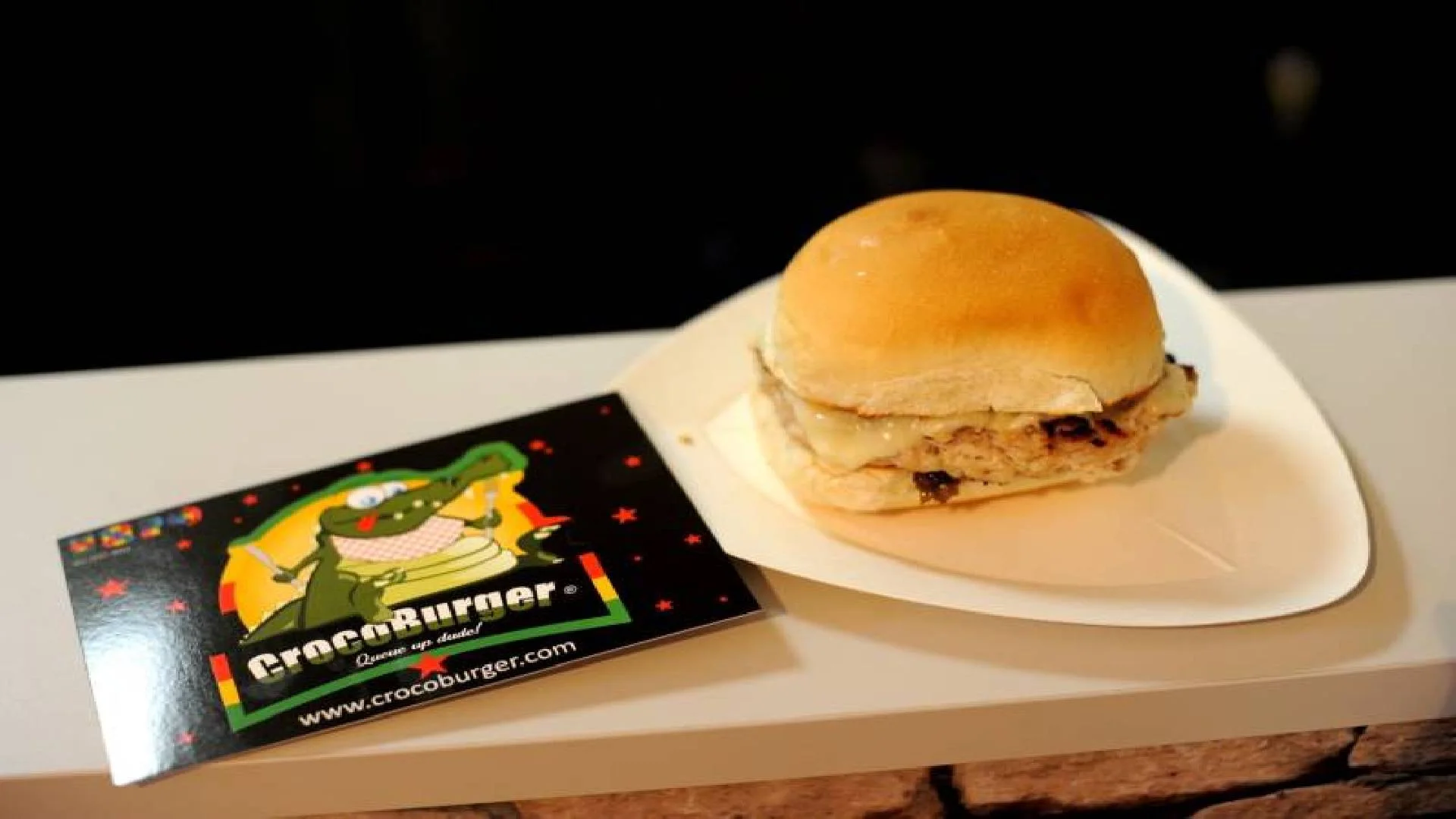
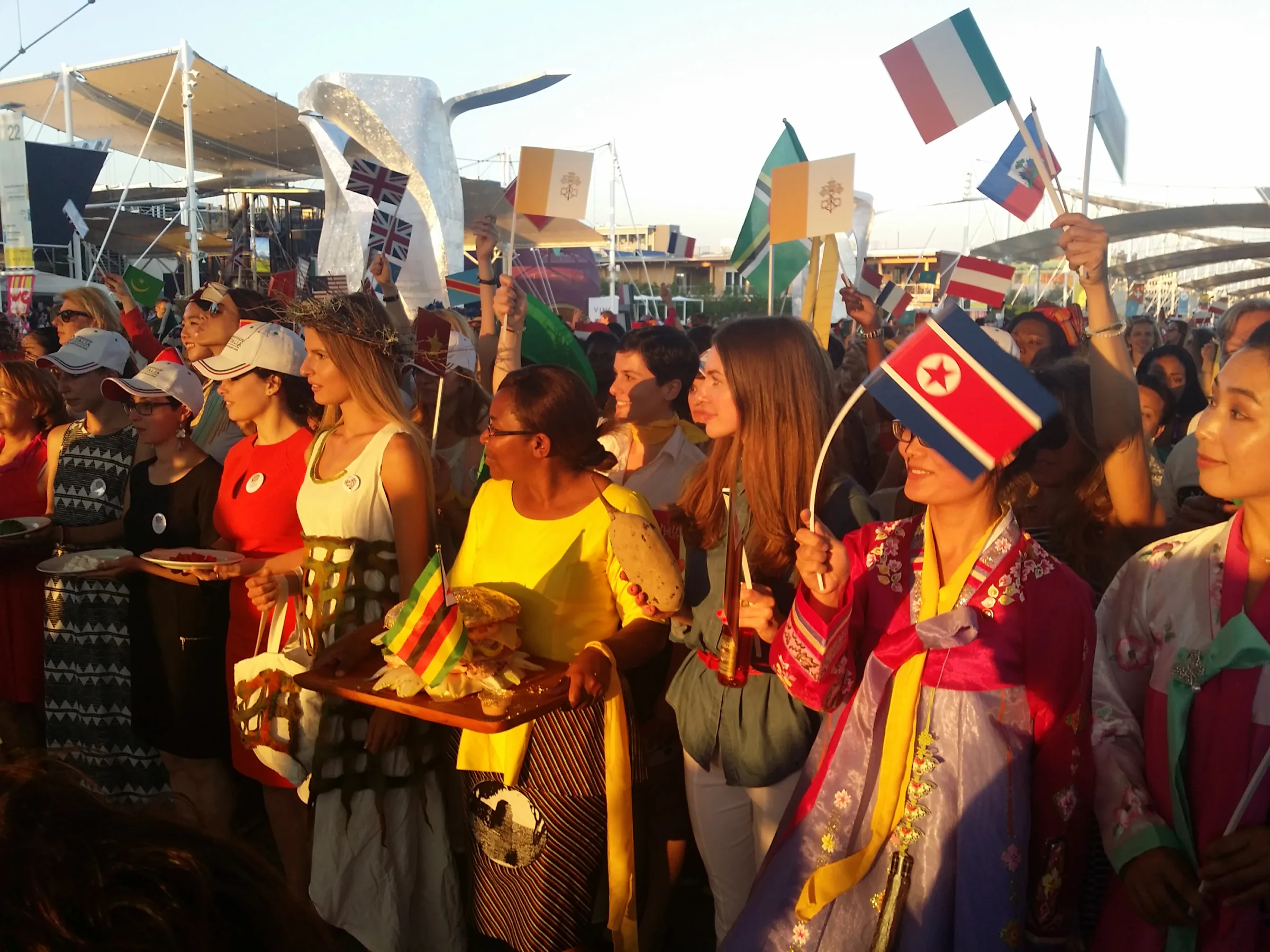
Beyond architecture, Expos are a crossroads of culinary cultures. At Milan 2015, under the theme "Feeding the Planet, Energy for Life," the Zimbabwe Pavilion caused an unexpected and resounding uproar. Their culinary offering included the "Crocoburger," a burger made from premium crocodile meat. Despite initial controversy and disbelief from the Italian public, curiosity was so strong that the exotic sandwich became the most sought-after dish of the entire fair, selling out in record time and forcing the pavilion to constantly restock. A clear example of how the Exhibition manages to break down prejudices through discovery.