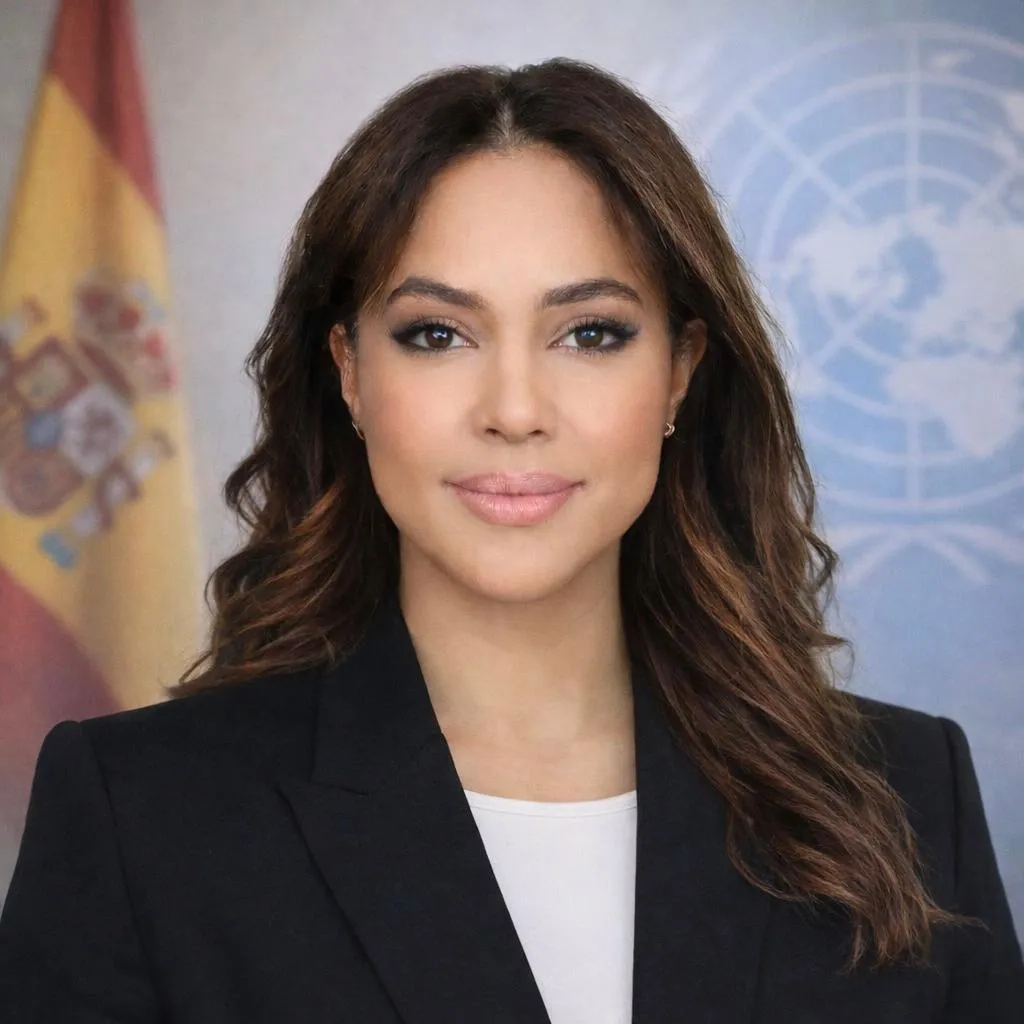
As the Secretary-General of the United Towns Agency (UTA), you operate at a crucial intersection of international relations. Given the current geopolitical shifts, how do you see the future of Arab-Africa economic integration, a topic you have passionately advocated for?
Dr. Essif: I see Arab-African integration as more than a question of trade. It is a question of whether our regions can shape their own place in a changing world: whether we can build the capacity to produce, innovate and negotiate from a position of confidence.
Geography gives us proximity; history gives us connections. But institutions, infrastructure and trust are what turn those advantages into shared prosperity. The next stage of integration must link markets to one another, but also connect education to employment, investment to local production, and regional ambition to the needs of people.
In a more uncertain geopolitical climate, partnership should not mean choosing sides in every global contest. It should mean having the capacity to engage with many partners while remaining clear about our priorities. Africa and the Arab world have the resources, talent and strategic importance to do that. The task is to organize those strengths into lasting cooperation.
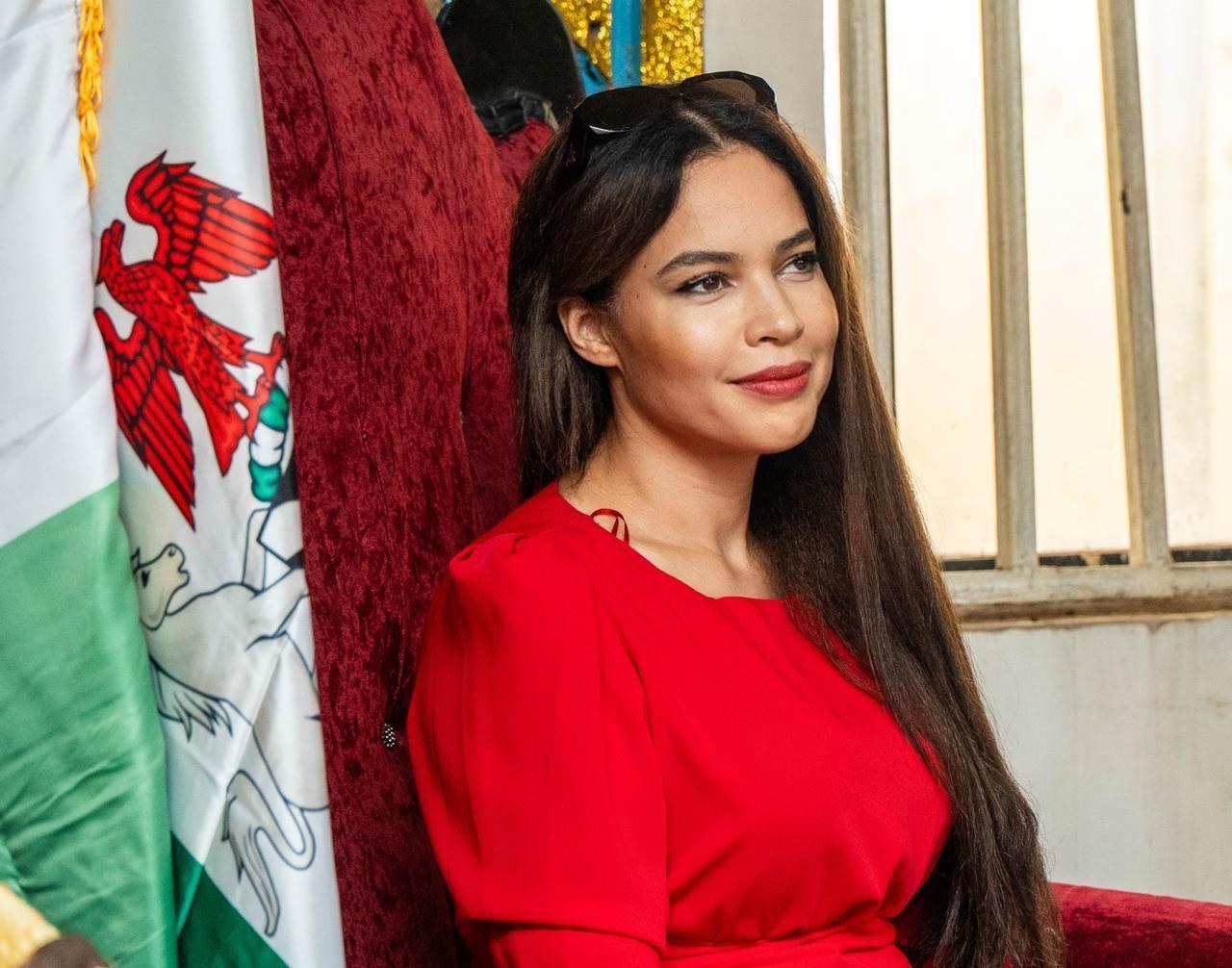
The United Nations faces unprecedented challenges in maintaining global stability. How can NGOs with special consultative status, like the UTA, bridge the gap between high-level diplomatic policies and real on-the-ground impact in developing regions?
Dr. Essif: The distance between international policy and people’s lives is not closed by good intentions alone. It is closed when institutions listen carefully, when communities have a genuine role in shaping decisions, and when commitments are followed by action.
An NGO with special consultative status can serve as a bridge in both directions. It can bring the experience of communities into international discussions, then help translate those discussions into partnerships and practical work on the ground. Just as importantly, it can carry evidence back to decision-makers when a policy is not producing the result people need.
Consultative status should therefore be understood as a responsibility, not simply a recognition. The value of our presence in international spaces lies in whether it helps make those spaces more responsive to real conditions. At UTA, our role is to connect institutions and people in ways that can turn shared priorities into credible, sustained cooperation.
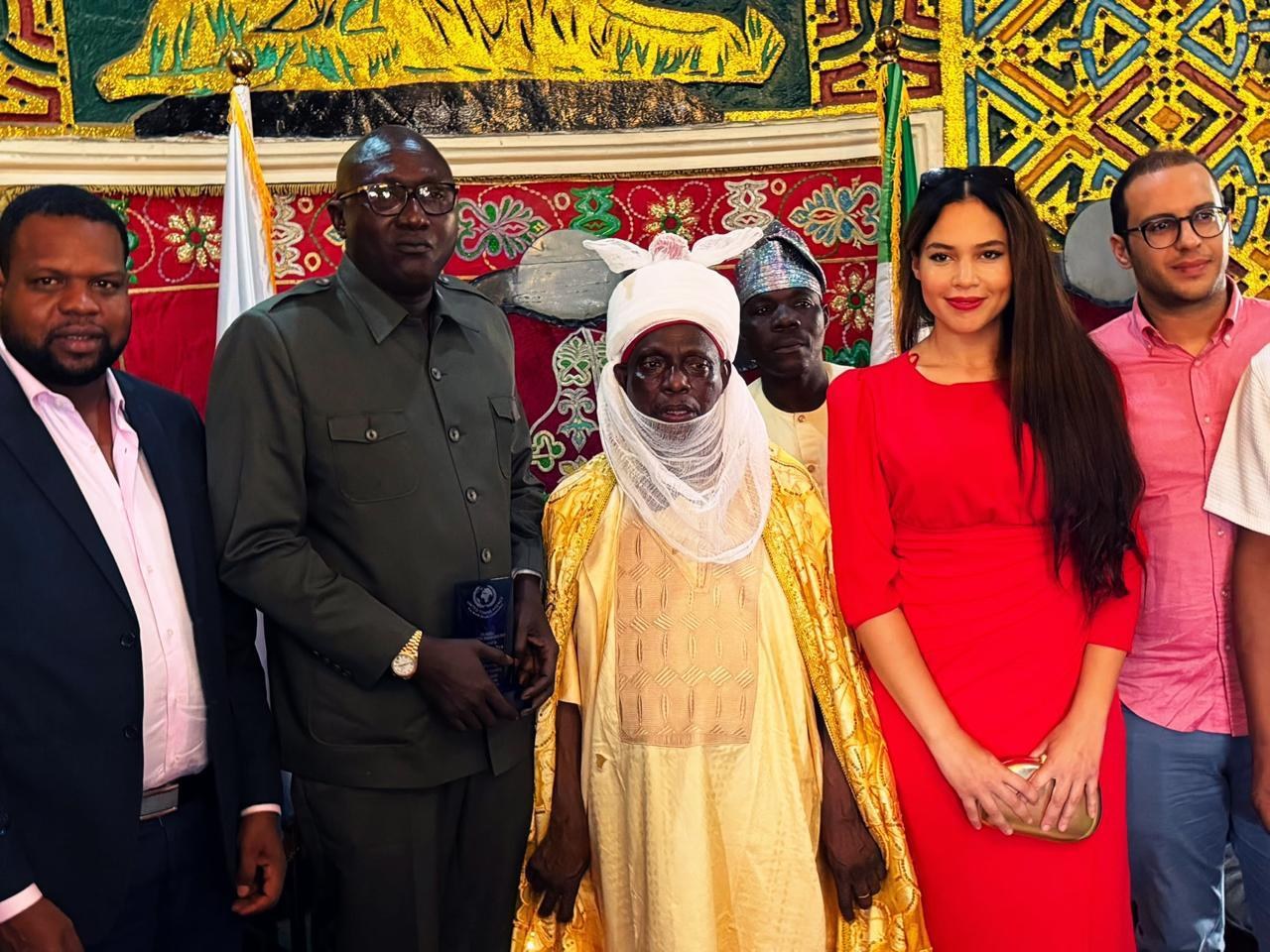
Empowering women is fundamental to achieving sustainable development. From your international vantage point, what are the most significant barriers that still prevent women, particularly in the Global South, from participating fully in economic and political spheres?
Dr. Essif: The greatest barrier is not a lack of talent or ambition among women. It is the unequal distribution of the conditions that allow talent to become influence: access to capital, time, safety, networks, markets and decision-making.
A woman may be encouraged to start a business, yet still be denied the finance, property rights or market access needed to make it grow. She may be invited into public life while carrying an unequal share of unpaid care. She may be highly qualified, yet absent from the rooms where priorities and budgets are decided.
So empowerment must mean more than visibility. It must include the ability to own, earn, lead and influence decisions. That requires practical changes in institutions, finance and social policy, as well as a change in how leadership itself is understood. Women should not have to prove their value again and again before being trusted with authority.
You stand as a strong example of female leadership on the global stage. What initiatives or systemic changes do you believe are most urgent to support female entrepreneurship and leadership in regions recovering from conflict or economic instability?
Dr. Essif: In a region recovering from conflict or economic instability, the decisions made during reconstruction can shape society for a generation. Who participates in those decisions? Who receives access to finance, land, contracts and employment? These choices determine whether recovery rebuilds old inequalities or creates a fairer foundation.
Women must therefore be present not only in discussions about peace and recovery, but in the institutions and economic decisions that follow. This means access to financing and public procurement, protection under the law, relevant training, professional networks and the security to participate fully.
My own experience as an entrepreneur has taught me that encouragement matters, but the conditions around a business matter more. Leadership grows when women have the means to act and the authority to shape outcomes. Supporting women is not a separate programme to add after recovery; it is part of building recovery that can endure.
Human rights are often deeply intertwined with economic realities. How do you balance advocating for universal human rights policies while addressing the immediate economic survival needs of the communities you serve? Looking ahead, what is your primary objective for the UTA over the next few years?
Dr. Essif: I do not believe communities should have to choose between dignity and survival. People need work, food, security and opportunity; they also need rights, fairness and a voice in the decisions affecting them. Development that ignores immediate hardship can feel remote. Development that ignores rights may produce gains that are fragile and unequal.
The question is how to address urgent needs in ways that also strengthen people’s ability to shape their own future. That calls for listening to communities, building accountable partnerships and measuring success by what changes in people’s lives—not only by the number of meetings held or agreements announced.
Over the next few years, my priority for UTA is to strengthen its capacity to turn dialogue into lasting cooperation across Africa, the Arab world and their international partners. I want our work to help connect institutions, investment and local initiative around practical opportunities in entrepreneurship, women’s participation, skills and sustainable development.